By Tabitha Evans Moore
Editor & Publisher
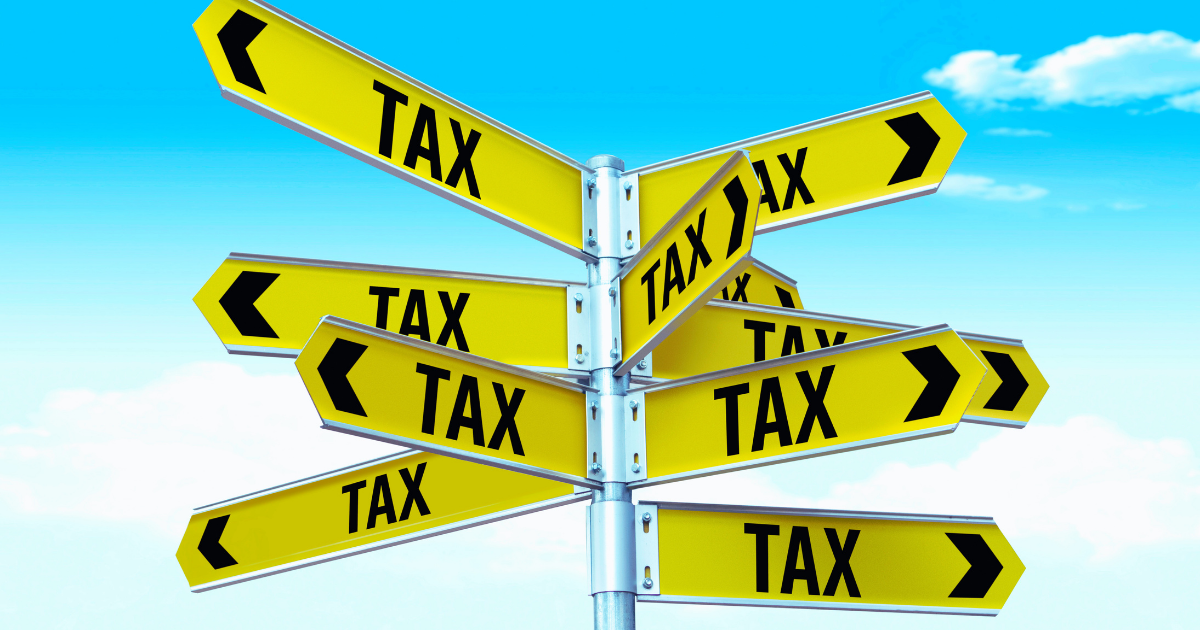
LYNCHBURG, Tenn. — Twice in the past two years, Moore County voters have said no to a quarter-cent sales tax increase. Now, Moore County officials say they may want to try again — this time on the November ballot.
The pitch: raising the local sales tax rate a quarter of a percentage point — from 9.5 percent to the state maximum of 9.75 percent — would generate new revenue for schools, roads, public safety without meaningfully touching local pocketbooks, since the majority of that tax is already paid by tourists.
A measure voters have already rejected twice
The Metro Council first put the increase on the ballot for the March 2024 Presidential Primary. Voters rejected it by a 60-39 percent margin, with 590 voting against and 378 in favor. It came back on the November 2024 general election ballot and lost again — this time by a wider margin. Final tallies showed 2,234 against and 1,259 in favor, a 975-vote deficit and a 63-36 percent split.
Both times, the measure would have raised the local sales tax rate a quarter of a cent, from 9.5 percent to 9.75 percent — the maximum allowed under state law. Most surrounding counties, including Bedford and Coffee, already charge the full 9.75 percent. Moore County remains one of a handful of Tennessee jurisdictions charging less.
According to state figures cited after the 2024 vote, Moore County brought in $312,011 in state sales tax and $152,496 in local option sales tax in a single month, July 2024, alone. A rough calculation based on July’s collections suggests the quarter-cent increase could generate well over $100,000 a year — potentially approaching $183,000 — though the actual figure would depend on seasonal variation and how much local sales tax is affected by the state’s cap on single-article purchases. Either way, that’s a new school bus or money that could be going toward the new jail renovation.
The tourism argument
Supporters’ central argument — that tourists, not locals, would carry most of the new tax — got a data backbone last year. A September 2025 report from Tourism Economics and the Tennessee Department of Tourist Development found visitors spent more than $15.5 million in Moore County in 2024, up 10.6 percent from the year before, marking the first time the county has had a reliable, county-specific tourism baseline.
Ryan French, executive director of the South Central Tennessee Tourism Association, said in a tourism presentation in September of last year that more than 81 percent of in-person credit card transactions in Moore County come from visitors, and that tourism effectively saves each local household $517 a year in state and local taxes.
“The vast majority of sales taxes in Moore County are already paid by visitors, meaning a modest increase would have minimal impact on locals while creating new revenue for schools, public safety, infrastructure, and essential services,” French said at the time.
That report broke down visitor spending into retail (38 percent), food and beverage (33 percent), and amusement and recreation (24 percent) — with lodging flagged as the county’s weakest category, since Moore County ranks last in the region for hotel and short-term rental options.
The only thing necessary to get the question back on the November ballot is a resolution from the Metro Council. We’ll report back on how things go tonight. •
About the Lynchburg Times: The Lynchburg Times is Moore County’s locally owned, independent news source and the only local media source owned by a Lynchburg native. Our reporting is supported by readers, small business partners, and underwriters who believe community journalism matters. If this story was valuable to you, consider becoming a supporter at lynchburgtimes.com.
Leave a Reply
You must be logged in to post a comment.