

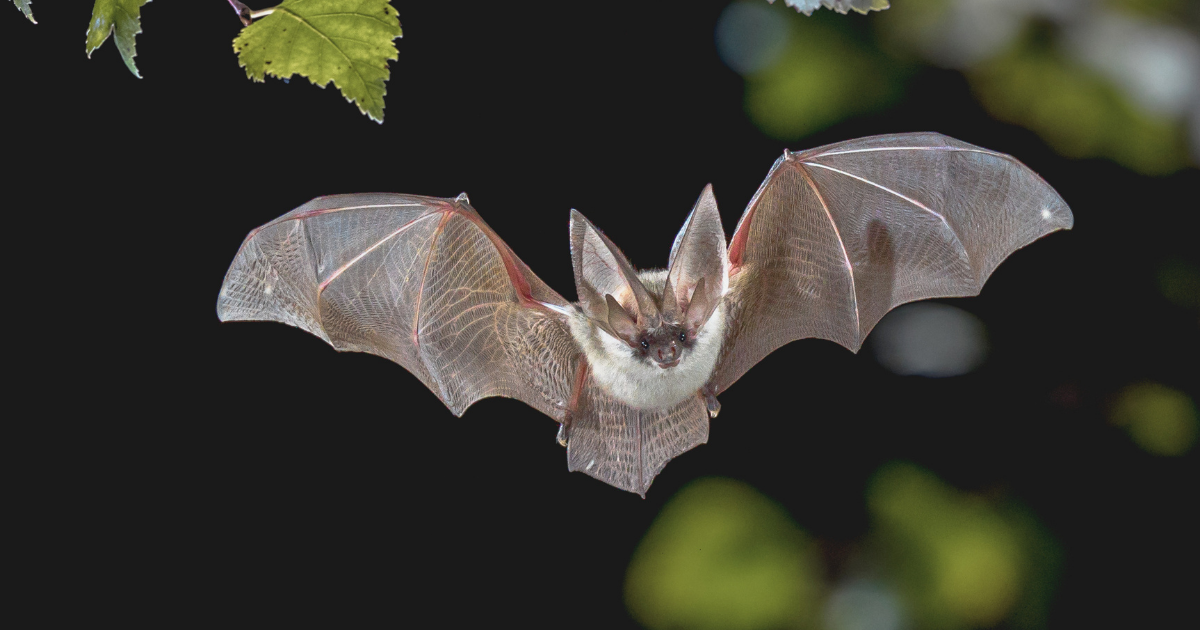
Just in time for Halloween, state wildlife biologists spent two nights in late September catching bats in the dark — and came away with a snapshot of a population under pressure.
The Tennessee Wildlife Resources Agency’s Division of Biodiversity held its 2026 Bat Blitz in Fentress County and surrounding areas, capturing and studying 316 bats representing nine of the state’s 16 bat species. Among them were two federally endangered species, the Indiana bat and the gray bat, along with the tricolored bat, which has been proposed for endangered listing.
Biologists also caught two species TWRA lists as being of greatest conservation need: the eastern small-footed bat and Rafinesque’s big-eared bat.
Fifty biologists and volunteers took part, including TWRA staff and volunteers who traveled from as far away as Idaho and Oklahoma. The survey covered both public and private land. Storms on the first night limited netting.
According to TWRA, the data will inform Tennessee’s State Wildlife Action Plan and guide bat conservation and management across the state. The event also gives experienced, permitted bat biologists a chance to train newer researchers in proper identification, handling and trapping.
Bats in Tennessee and across the country have been hit hard by white-nose syndrome, a fungal disease first detected in the U.S. in 2006 that has since spread nationwide. Habitat loss, which TWRA calls the No. 1 driver of biodiversity decline in Tennessee, has also taken a toll.
The stakes reach beyond the caves. Bats eat enormous numbers of insects, and TWRA says that natural pest control saves U.S. farmers billions of dollars each year — a figure that carries weight in farm country like Moore County.
“Bat populations have declined in recent years,” said TWRA biologist Dustin Thames, who oversaw the event. “The data collected will help us better understand, conserve, and protect bat populations.”
Thames called the blitz “hugely successful” and credited partners including Cory Holliday, director of The Nature Conservancy’s Cave and Karst Program, and Liz Hamrick, a Tennessee Valley Authority zoologist who chairs the Tennessee Bat Working Group. •
ABOUT THE LYNCHBURG TIMES: The Lynchburg Times is Moore County’s most-read, independent news source and the only local media source owned by a Lynchburg native. We believe small-town newspapers are worth saving, not just here but everywhere they’re disappearing. Readers, small business partners, and underwriters who believe community journalism still matters support our work. If that idea resonates with you, consider becoming a supporter at lynchburgtimes.com.•
Leave a Reply
You must be logged in to post a comment.